
Dennemeyer Group
Can memes be Intellectual Property?
Evolutionary biologist Richard Dawkins coined the term "meme" in 1976 to describe a behavior transmitted through culture in a manner analogous to genes in biology. Like genes, memes self-propagate until they become pervasive. From our perspective, the key question is whether or not the modern meme is or can become Intellectual Property (IP).
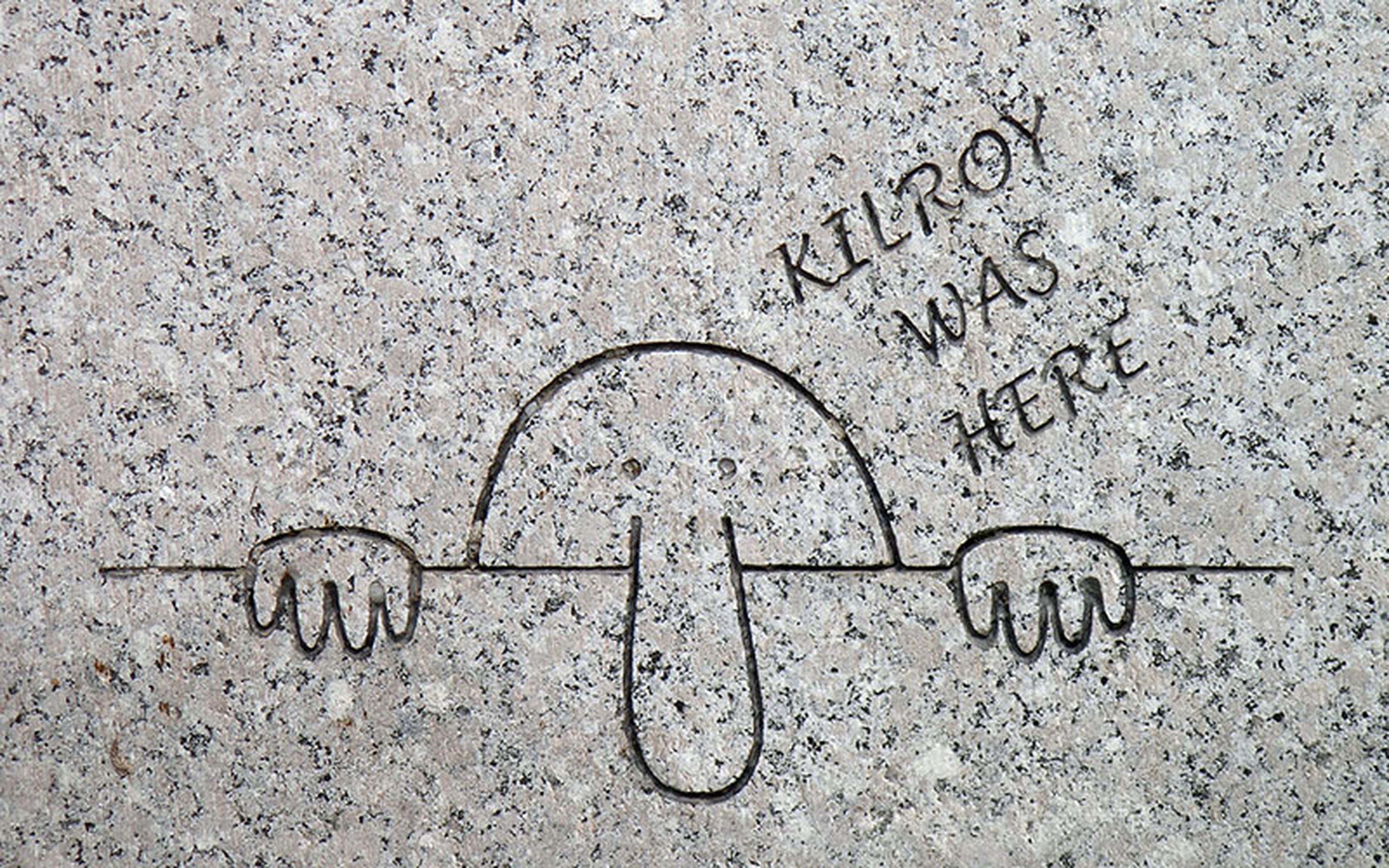

With all these legal elements at play, it can be easy to miss the wood for the trees. Remember how we said it was challenging to provide a concise definition of a meme? It is best to think of it not as a style of expression: irreverent, facetious or absurd, but as a mode of expression: an imitative, collective exercise in communication. Exclusive rights, by definition, curtail this open exchange, harking back to the implied distributive license we mentioned earlier. In the end, a meme that cannot be shared is not a true meme at all.
Are memes worth the trouble?
Memes have tremendous money-making and fundraising potential. A recent copyright dispute over a popular (and undoubtedly lucrative) meme revolved around a 0.34-second clip of audio created in 1999. Tommy Tallarico, longtime sound designer and CEO of Intellivision Entertainment, reached an amicable agreement with the developers of the Roblox video game over the experience-defining "Oof" sound. How could such a short clip be of note? The answer is simple: When it holds iconic status among an audience of approximately 150 million users. Considering that the sound is now available to players for an additional cost of around $1 USD, the monetary value of less than one second of audio recorded more than two decades ago is potentially substantial indeed.
Also, consider the photograph of U.S. Senator Bernie Sanders wearing some idiosyncratic mittens at President Joe Biden's inauguration. It went viral, ultimately raising $2 million USD for charities in Sanders' home state of Vermont through merchandise sales. Musicians including Blanco Brown and Lil Nas X leveraged TikTok crazes based on their songs to boost their radio and streaming airplay significantly. In essence, memes can behave as traditional marketing tools. When they do, they lose the exemptions of fair use or fair dealing but can eventually become eligible for IP protection.
In theory, many media types that constitute memes can be protected as IP as long as the work is original or used according to agreed-upon licensing terms. Deliberately manufacturing memes is much more complex and perhaps self-defeating, as their origins are often spontaneous, ephemeral and reactive. For a business to achieve this (without the attempt blowing up in the company's face) requires close collaboration between creative and marketing teams and usually more than a bit of luck.
If you are fortunate enough to capture lightning in a bottle – whether by accident or design – get in touch with Dennemeyer's experts immediately to secure IP protection for your hit meme!