G 1/25: When must the description be adapted to amended claims?

Dennemeyer Group

Just as important as the tree and its stand are the adornments. With limited configurations and simple but elegant styles, the earliest creations marked the start of a long decor story. The 1960s introduced lightweight, durable options and baubles displaying family photographs. More recent innovations have embraced safety features like smoke detectors and fire extinguishers.
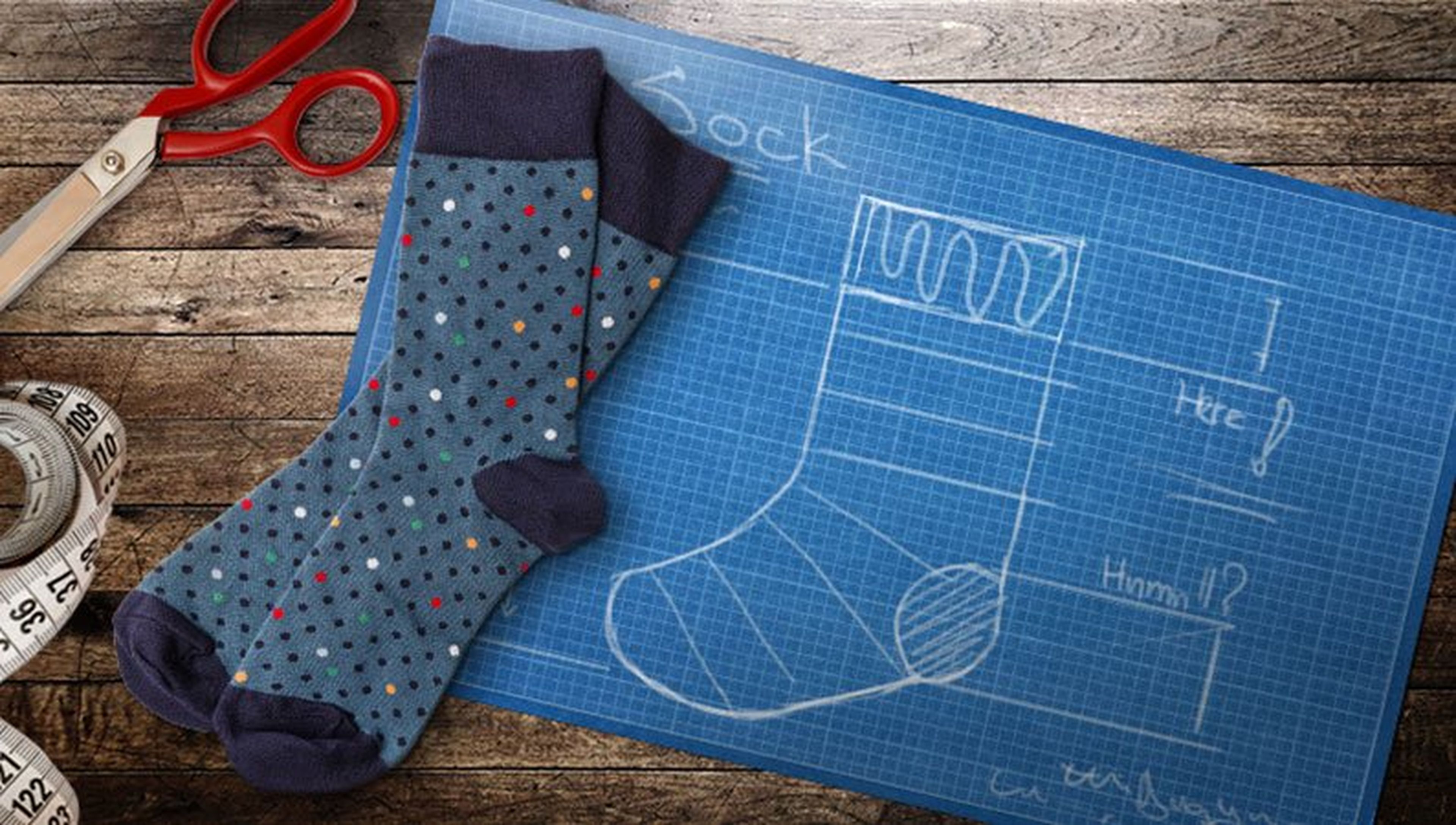
Despite all of this glowing innovation, the Christmas tree was not always the darling of the holidays. A New York Times article published in 1883 opined that the ever-present evergreen had "had its day" and should "have no place in our beloved land." As a replacement, the author pointed to reviving a personally beloved tradition: the Christmas stocking.
In 1889, one of the earliest stocking design patents rolled out under the decidedly unglamorous name of "design for a bag." Herein lies a hint as to why this particular decoration may have temporarily lost favor: As gifts got bigger and more elaborate, the size and shape of a sock-like bag became limiting. According to The New York Times' impassioned author, the solution was the Smith Christmas Stocking. Unlike others of its time, this invention was made with elastic to fit more and larger items, while its toe included a water-tight metallic compartment for molasses candy.
Since then, the Christmas stocking has seen many innovations but generally retains that familiar shape and purpose. American inventor Joan D. Sheridan, for instance, has received various design patents, including a figure skate, a laced shoe and a heeled boot – all instantly recognizable as part of this long-standing tradition. Even animal paws and horse legs have found their way onto festive mantles.

However, that is not to say that stockings have stagnated. Newer technology like the "Santa Claus Detector," patented in 1996, takes the familiar concept and adds a new spin: The device lights up when Santa comes down the chimney and tugs the pull cord.
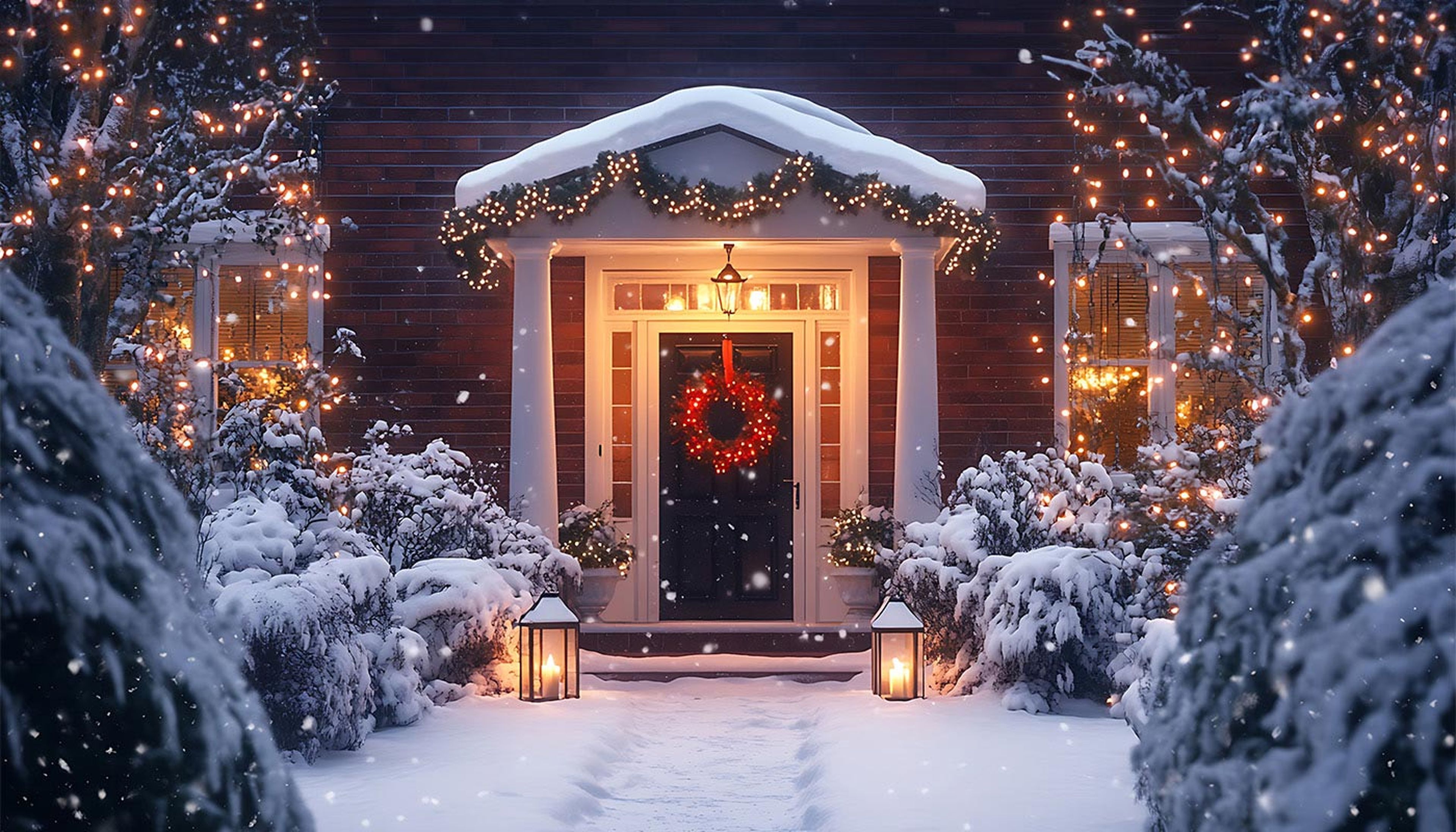
One might argue that a shining light is the perfect way to highlight St. Nick's presence, but it is also worth noting that illumination has always been a central theme in Christmas decor. While it harkens back to the candles that once brightened (and sometimes burned) the evergreens of old, our fascination with holiday lighting is both a dream of the future and a tribute to the past.
The story of Christmas lights cannot be told without a nod to Thomas Edison's 1880 light bulb patent that started it all. Thomas Edison even put a strand of newly invented bulbs around his lab that Christmas, creating the first electric light display; two years later, his friend Edward H. Johnson hand-wired 80 red, white and blue bulbs for his holiday tree. From there, inventors worked on various technologies to eventually create LEDs, including a 1962 filing titled "semiconductor radiant diode." The result was a leap forward in illumination that was brighter, safer and easier to manage.
For example, a 1975 filing helped make it possible to control lights individually. This, in turn, laid the groundwork for intricate displays and related technologies, including a 2013 grant covering an apparatus and method for matching light and sound. This system converts sound waves into signals that create a visual show in time with music.

Perhaps most interesting, however, is a 2004 patent filing for a flame-simulating light device. Think about the series of events that made this invention possible: First, people used candles on Christmas trees, transitioned to safer electric lights and eventually used that progress to recreate the familiar flickering flame. Clearly, Christmas inventions — and the IP protections that make them possible — will always exist in conversation with one another, a tapestry woven of both tradition and technology.
Of course, the story is never ended. There will always be opportunities for new inventions, discoveries and creations, which means there will always be a place for IP protection. Contact the Dennemeyer team today to see how we can help you light up a world of holiday magic.