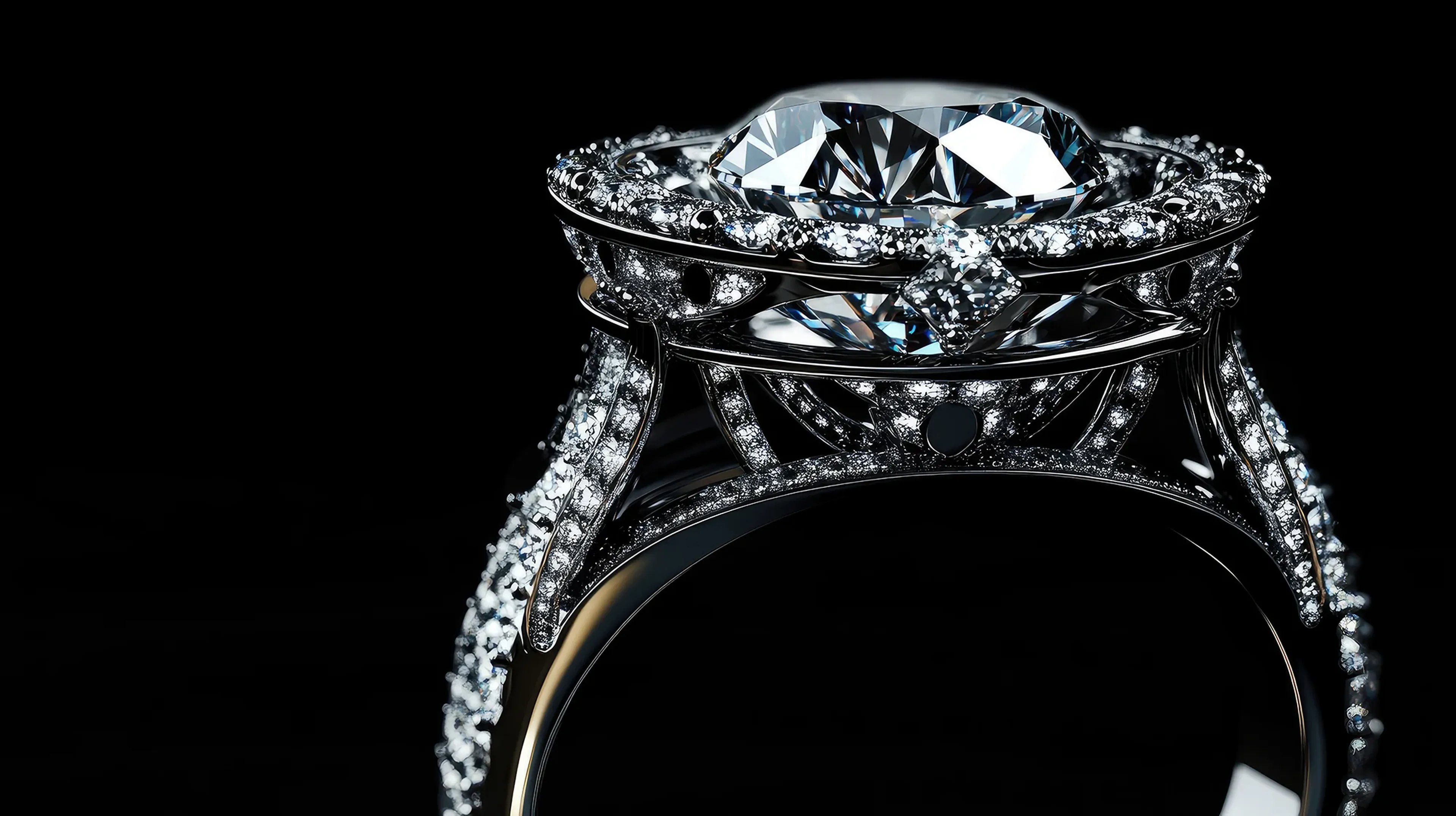
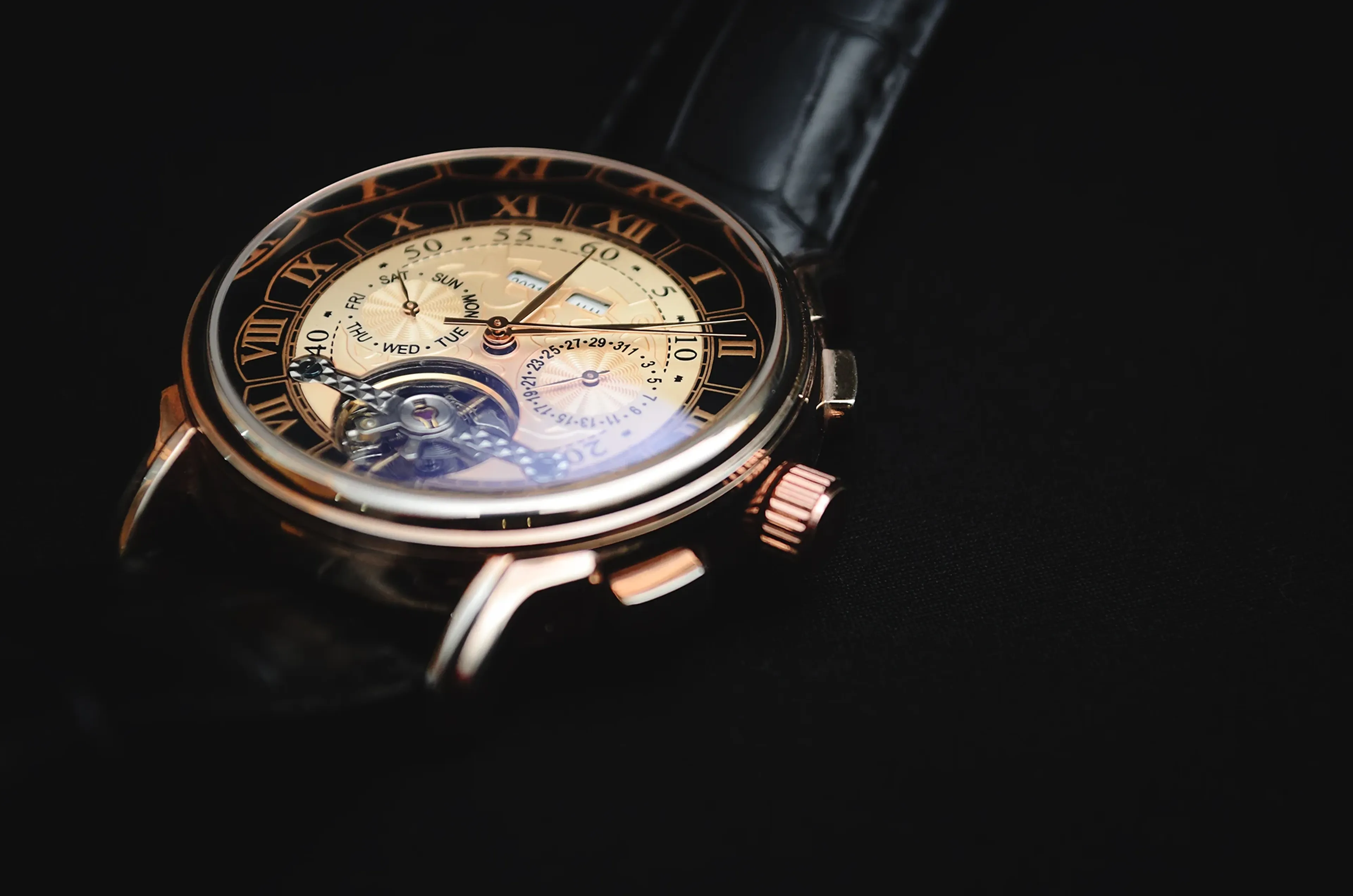
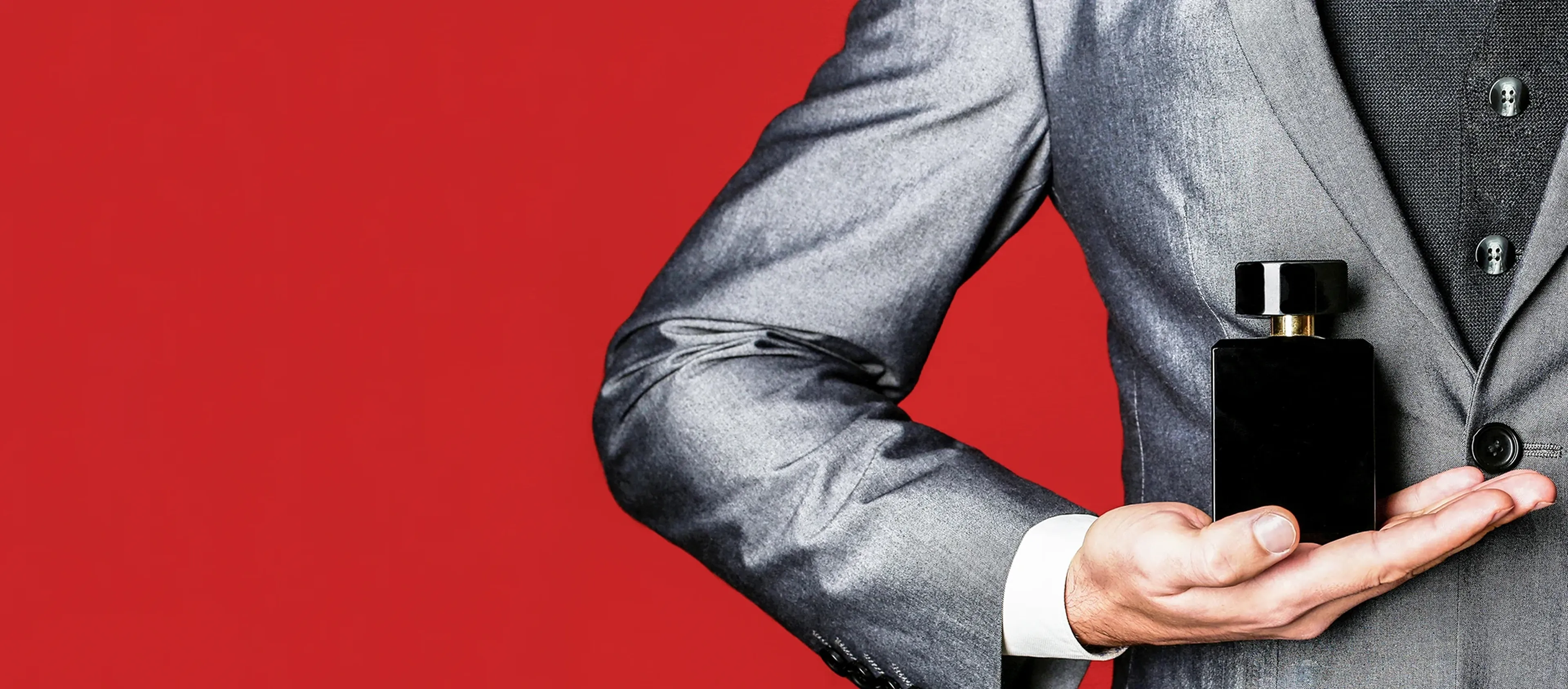
Though this has long been the case, in recent years, the interpretive lens through which such imitation is viewed in everyday consumption has shifted. The term "dupes" has gained currency across retail environments and digital media, becoming less a pejorative than a badge of honor, altering how the buying public responds to deliberate similarity.
This drift carries consequences for luxury brands that extend beyond the enforcement of Intellectual Property (IP) rights. As the language surrounding imitation softens and even turns positive, expectations around originality and tolerance change, affecting how confident brands can be that copycats will be rejected by the market at large. Over time, these new perceptions challenge the strength of distinctive signs and the reliability of protection strategies.
Download the complete guide"A legal alternative to counterfeits; an affordable alternative to luxury goods"
Commonly recognized as products that resemble luxury goods while avoiding direct use of protected names, logos or similar IP, dupes are not an official product category. Indeed, more often than not, consumers are aware that they are not purchasing genuine products and intentionally opt for these lower-cost lookalikes, attributing to them (at least some of) the same qualities and characteristics of the originals.
This circumstance impacts how the law reacts to these goods. Counterfeits necessarily impinge on registered trademarks, designs or copyrights, and may give rise to civil or criminal liability. On the other hand, dupes tend to sail closer to the wind of infringement thresholds, particularly where similarity breaks down at the finer points, and misrepresentation is absent or indirect.
From a purely commercial perspective, however, the distinction is less pronounced. Many dupes depend on immediate recognition of a luxury reference, and their appeal stems from proximity to the original in appearance, release timing or overall impression. The lack of direct deception does not alter their reliance on brand equity, which remains the ultimate source of their worth.
Consequently, for luxury brands, the effect of dupes is cumulative. Even where individual products fall outside clear infringement, repeated and visible imitation can weaken distinctiveness over time and gradually loosen the association between a brand and the design language through which it is communicated.
Dupes derive much of their appeal from recognizable luxury aesthetics, even without directly copying protected brand elements.
Interpretation, language and normalization
As is always the case, words are fundamental to shaping expectations.
While the linguistic roots of "dupe" in many European languages evoke notions of deception or fraud, the term's modern usage as an abbreviation of "duplicate" has progressively replaced much of this negative charge. Today, it is often perceived as neutral and can even be viewed positively, symbolizing a democratization of access to luxury aesthetics and, for some consumers, a means of assailing the market power and exclusivity associated with luxury brands. As this increasingly sanitized vocabulary gains currency, so too do dupe sellers.
Inevitably, such normalization complicates the responses luxury brands can take. Where imitation is treated as commonplace, IP enforcement may appear excessive to the public, while inaction risks being seen as tacit approval.
Addressing dupes, therefore, requires attention to both infringement thresholds and the discursive environment in which product similarity is interpreted and repeated.
Ask for cost estimates early
Patent filing costs are often predictable enough to estimate in advance. They typically include professional fees, official fees charged by patent offices and translation costs where required. The final costs for the filing stage should be transparent, fixed and agreed on in advance.
Effective protection starts with identifying which IP rights can be used against imitation and lookalike products.
Legal countermeasures
Trademarks remain a cornerstone of brand protection, covering distinctive signs that consumers identify with particular goods or services. Most commonly, these are words or logos, but they can also be slogans, shapes, color combinations and even sounds. Registered trademarks can form the basis of court and customs actions against lookalike products and may also be valuable in supporting takedown requests on major online platforms. Provided they continue to be put to genuine use in commerce, trademarks can last forever.
Registered designs protect the ornamental, non-functional aspects of goods. Unlike trademarks, they have a limited term, but they are cheap and quick to acquire. However, designs must be novel and have individual character to be valid.
Patents, in exclusivizing inventions, may also have a role to play in certain sections of luxury, such as cosmetics. These rights are only granted where there is an identifiable invention that is new, involves an inventive step and is industrially applicable (able to be manufactured). Patents can last for up to 20 years from the date of filing and can garner high damages awards when enforced through courts.
When imitation draws on a brand’s appeal without clearly crossing infringement thresholds, choosing the right response becomes a strategic question.
Facing dupes head-on
There are four main tactics available to businesses in the luxury sector, each having its advantages and use cases.
Litigate
Often, a cease and desist letter is the first step when confronting IP infringement. After exhausting this intervention, a lawsuit is likely to be the best course of action for larger companies.
Engage
Another option is to use the terms of dupe culture against itself. This may be particularly attractive for newer, disruptive companies. Some brands have even filed trademark applications that include the word "dupe," in moves that could snatch back some measure of control over the narrative.
Educate
Brands may seek to recast dupes as symbols not of accessibility or empowerment, but of compromise and disposability. By drawing attention to the distinction between appearance and substance, luxury houses can work to make originality more desirable than mimicry. Such initiatives may also serve the public interest by exposing the less visible aspects of the dupe economy, including concerns relating to product standards, manufacturing processes, sustainability and, in certain sectors such as cosmetics, potential health and safety risks.
Ignore
The final alternative is simply to ignore dupes. While this approach has the advantage of being cost-free and easy to implement, it also carries the greatest risks. Over time, the value of a brand may erode, reducing its desirability and weakening its price positioning. A market saturated with lookalikes and imitations may ultimately signal the mature stage of brand decline.
From a trademark perspective, this risk is not unfamiliar. Brand owners are well aware of the danger of genericide, whereby a mark becomes so successful and ubiquitous that it loses its distinctive character and, in extreme cases, its legal protection. Yet excessive notoriety is not the only threat. Tolerance towards systematic imitation may gradually weaken the practical exclusivity that IP rights are intended to confer. While the legal consequences will vary depending on the right at issue and the applicable jurisdiction, a sustained failure to react may, in certain circumstances, jeopardize the effective scope of protection.
When all is said and done, enforcement decisions, monitoring practices and public communication collectively shape how a company's red lines are understood by consumers and competitors over time. There is no single response that can be applied across the luxury sector other than committing the resources and creative energy necessary to build a sustainable portfolio of IP rights and maintaining the vigilance to preserve its integrity through a combination of legal, commercial and educational measures.
Dupes and long-term brand stewardship
The success of dupes illustrates how rapidly consumer perceptions, cultural norms and market dynamics can evolve. No longer confined to the margins of commerce, imitation products are now openly discussed, promoted and, in some cases, celebrated as accessible alternatives to luxury goods. Their appeal derives not only from price, but also from a broader normalization of product mimicry and a gradual shift in the language used to describe it.
The response cannot rest solely on litigation, nor solely on marketing. At the same time, brands may increasingly need to engage where dupes thrive: on social media and through the influencers who shape consumer perceptions. Reframing authenticity and craftsmanship as desirable values, while exposing the limitations of imitation, may prove just as important as any court victory. In the long run, successful brands will not merely persuade consumers to look authentic; they will continue to demonstrate why authenticity itself matters.
Download the complete guide