Explaining the (in-)explainable addition of the words “Another Characteristic” in the new EU trademark law

Dennemeyer Group

Another sound mark currently under consideration by the EUIPO relates to Lamborghini's latest hybrid supercars. While not accepted as of the time of writing, it has not been refused either and possesses a less realistic, almost ethereal quality. Think Jean-Michel Jarre meets Nightrider.
Returning to traditional high-performance cars, identifiable engine noise was probably not a major factor in the purchasing decisions of those wealthy enough to afford them. Thus, trademark registrations for the sounds of luxury EVs would likely fall into the category of "nice to have" rather than "necessary" since safety remains the primary concern.
Then again, no sports car wants to be left in the IP dust.
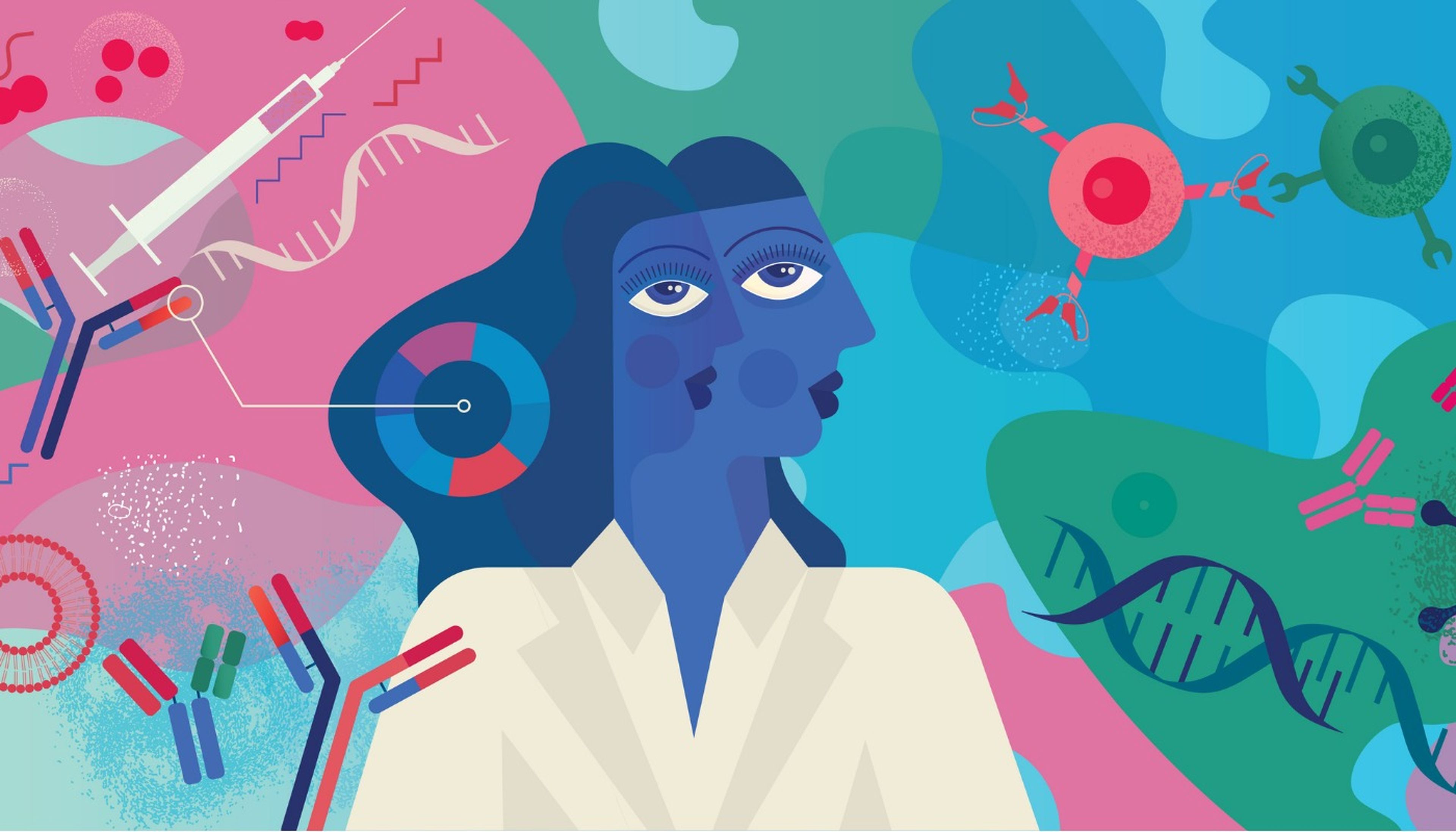
Since its development as an anesthetic in the 1960s, ketamine has been used as a painkiller, an anti-depressant and a recreational hallucinogen; so when one must pay the U.S. government $1.5 million USD on account of the drug, it appears something is out of the ordinary. And in the case of Yale University, that something is the allegation of failure to disclose patents and share royalties.
On September 20, 2023, Dr. John Krystal and the university reached a settlement with the United States Department of Justice, acting on behalf of the United States Department of Veterans Affairs (VA), to close the matter. A payment of $1,507,743.67 USD to the VA (of which $1,347,799.31 USD is restitution) was agreed upon to cover royalties owed from three ketamine-related patents granted between 2014 and 2017.
All three patents concern the treatment of depression and suicidal ideation with ketamine spray and name Krystal as an inventor. During this period, Kystal was employed part-time by both the VA and Yale but would assign his interests in the patents to the latter. However, since these patents received funding support from the VA, the government body determined it also had an ownership interest.

According to the government's assertions, which the doctor and university deny, "[b]etween February 2015 and February 2023, Yale and Krystal collectively received royalty payments in excess of $3 million arising out of the Krystal Patents, including approximately $245,000 they received before Krystal submitted the Invention Certification Form to the VA on December 9, 2017. Yale and Krystal did not share with the VA any of the royalty payments arising out of the Krystal Patents."
Crucially, the settlement is not an admission of liability on the part of Yale or Krystal, but it does reveal the enormous economic potential of patents and the importance of keeping all interested parties informed – and appropriately paid. As U.S. Attorney Vanessa Roberts Avery for the District of Connecticut remarked, this story shows the depth of the "commitment to ensuring that the government is fairly compensated for all taxpayer funded [sic] inventions."
Taking into account the dollar figure brought in by the patents so far, having to share 1.5 million will probably not warrant its own ketamine prescription any time soon.
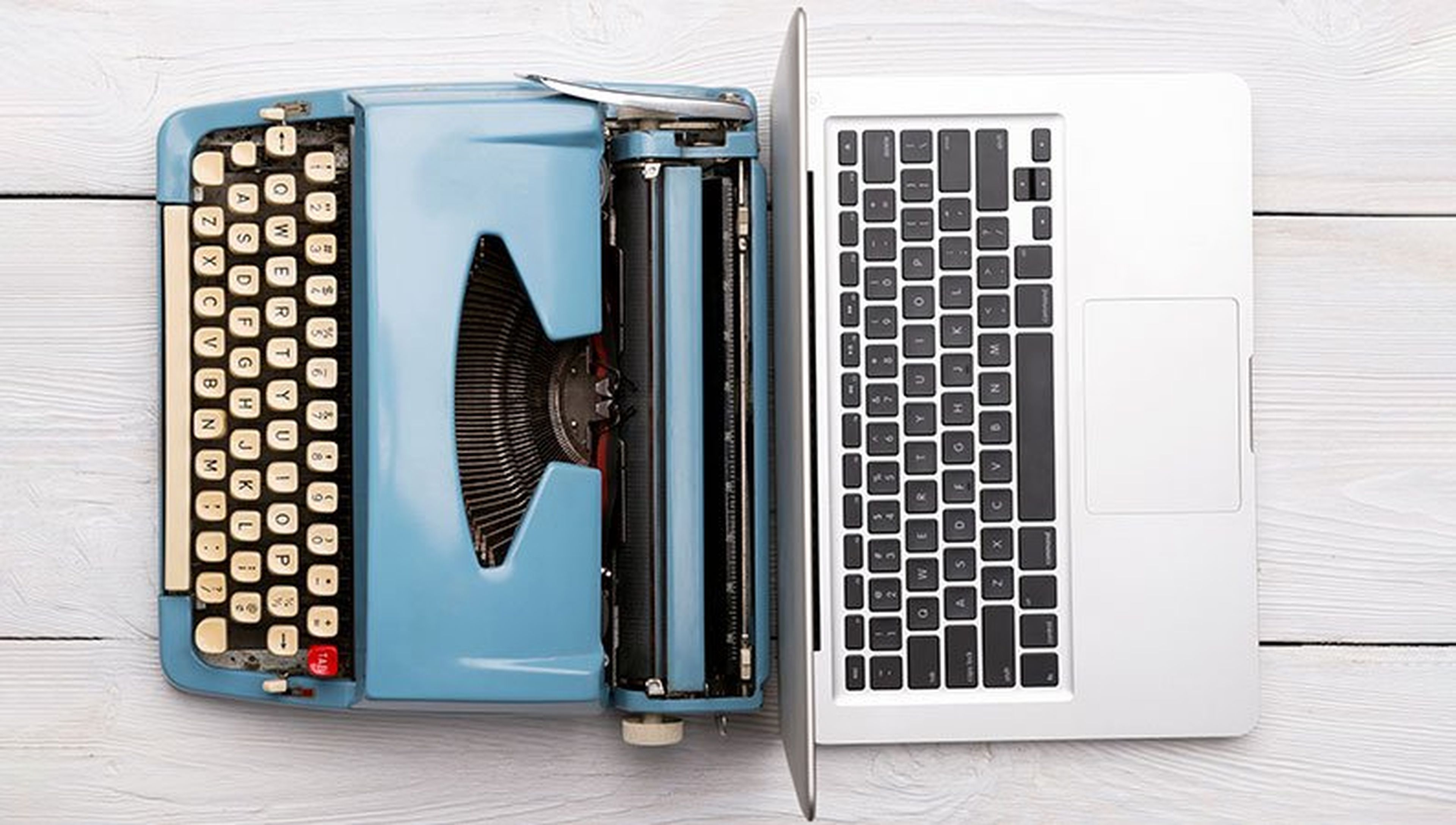
Another month, another collision between artists and generative artificial intelligence (AI). On September 19, 2023, the Authors Guild filed a class-action lawsuit against OpenAI, alleging copyright infringement in the operation of ChatGPT and other large language models (LLMs). The Authors Guild is a trade group for writers in the United States, representing more than 13,000 members, but 17 notable personalities are joined to the current litigation.
Jodi Picoult, John Grisham, George R.R. Martin and others accuse the AI company of "flagrant and harmful infringements of [their] registered copyrights in written works of fiction." However, whether the "training" of LLMs on copyrighted material without the owner's consent rises to the standard of infringement has not yet been resolved.
For one, in a motion to dismiss a similar lawsuit brought by comedienne Sarah Silverman, OpenAI argued that such claims "misconceive the scope of copyright, failing to take into account the limitations and exceptions (including fair use) that properly leave room for innovations like the large language models now at the forefront of artificial intelligence." The filing goes on the cite the Supreme Court's decision in MGM Studios Inc. v. Grokster, Ltd., (2005), recognizing the "trade-off" between enforcing artists' rights and safeguarding technological development.
Copyright law needs to come to terms with some of the fruits of that innovation sooner rather than later, and the slew of recent proceedings only adds to the sense of exigency. In the meantime, tempers are beginning to flare. "The various GPT models and other current generative AI machines can only generate material that is derivative of what came before it," inveighed Authors Guild CEO Mary Rasenberger in a related press release. "They copy sentence structure, voice, storytelling, and context from books and other ingested texts. The outputs are mere remixes without the addition of any human voice. Regurgitated culture is no replacement for human art."
Though it is a topic that stirs ardent debate on the nature and value of creativity, dispassionate legal reasoning will ultimately achieve solutions on the matters of IP. Determinations, not fulminations, establish case law, and regulations yet to be written will set the rules.
Perhaps a generative AI could help with the first draft.