G 1/25: When must the description be adapted to amended claims?


Dennemeyer Group
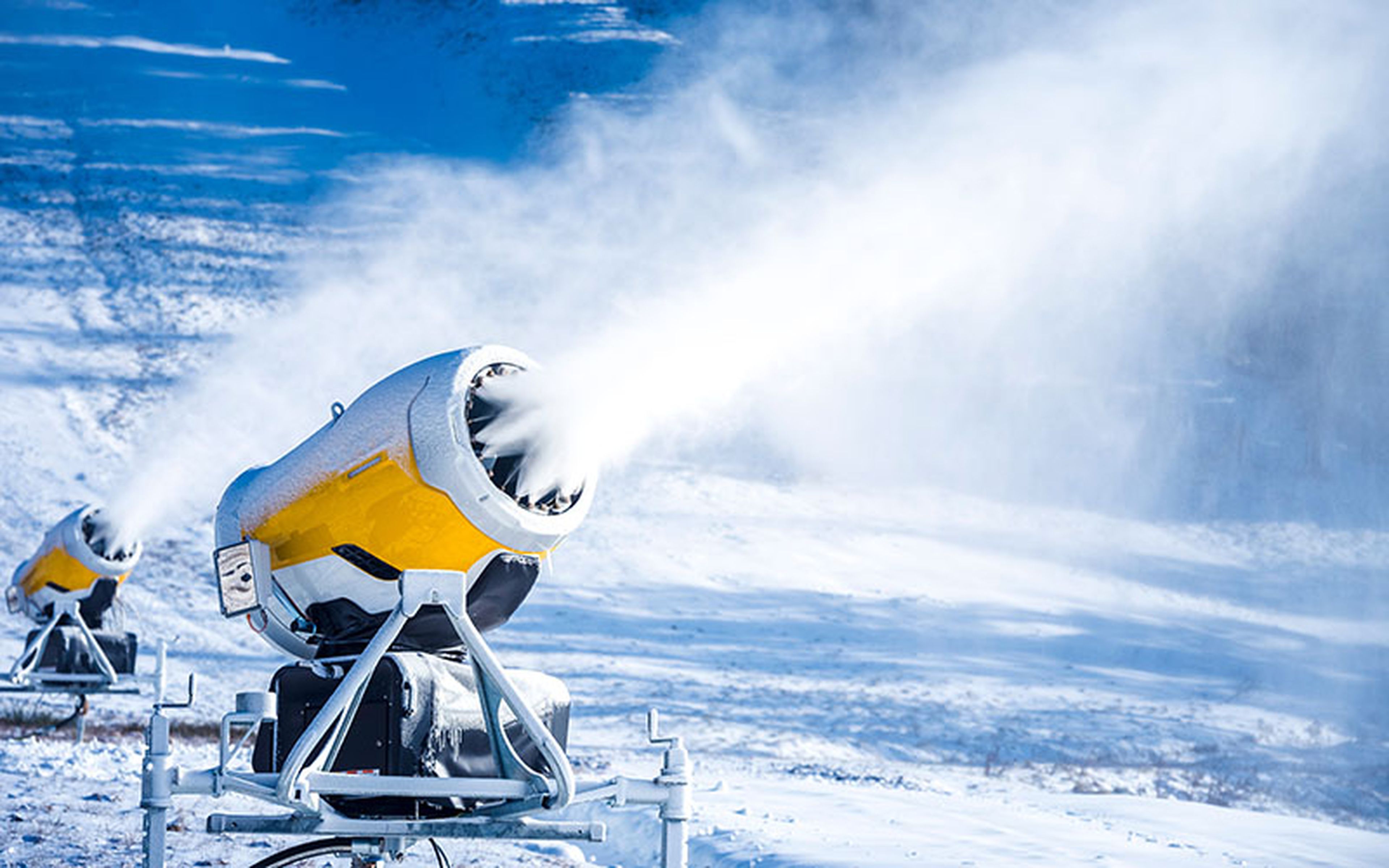
With the ground prepared, new patents and IP licensing agreements led to bigger and better blizzards, enabling inventors to improve the machines, methods and underlying technologies over time. The result is a world where snow can always be right at your fingertips (or under your skis).
Clothing as a means of insulation is one of humanity's oldest technologies, or else many of our ancestors may not have survived bitter winters. However, relying solely on traditional garments made of animal pelts is not feasible in the modern age. Eventually, the need for alternatives led to some familiar inventions — for example, soaking coarse linen in linseed oil in 1877 led to the foundation of the Helly Hansen company, which developed the first fleece in 1961. Since then, the Norwegian company has produced new proprietary fabric technologies widely available in today's market.
What made it all possible? A little bit of cold, wet and a lot of patent law. Many modern names in insulated and outdoor clothing, such as Eddie Bauer, took off thanks to clothing patents. Other technologies — including flexible tubes for thermal insulation and separate insulating chambers — have also come in from the cold thanks to patent protection. Even NASA's Johnson Space Center and the United States Air Force have helped keep us toasty over the years.
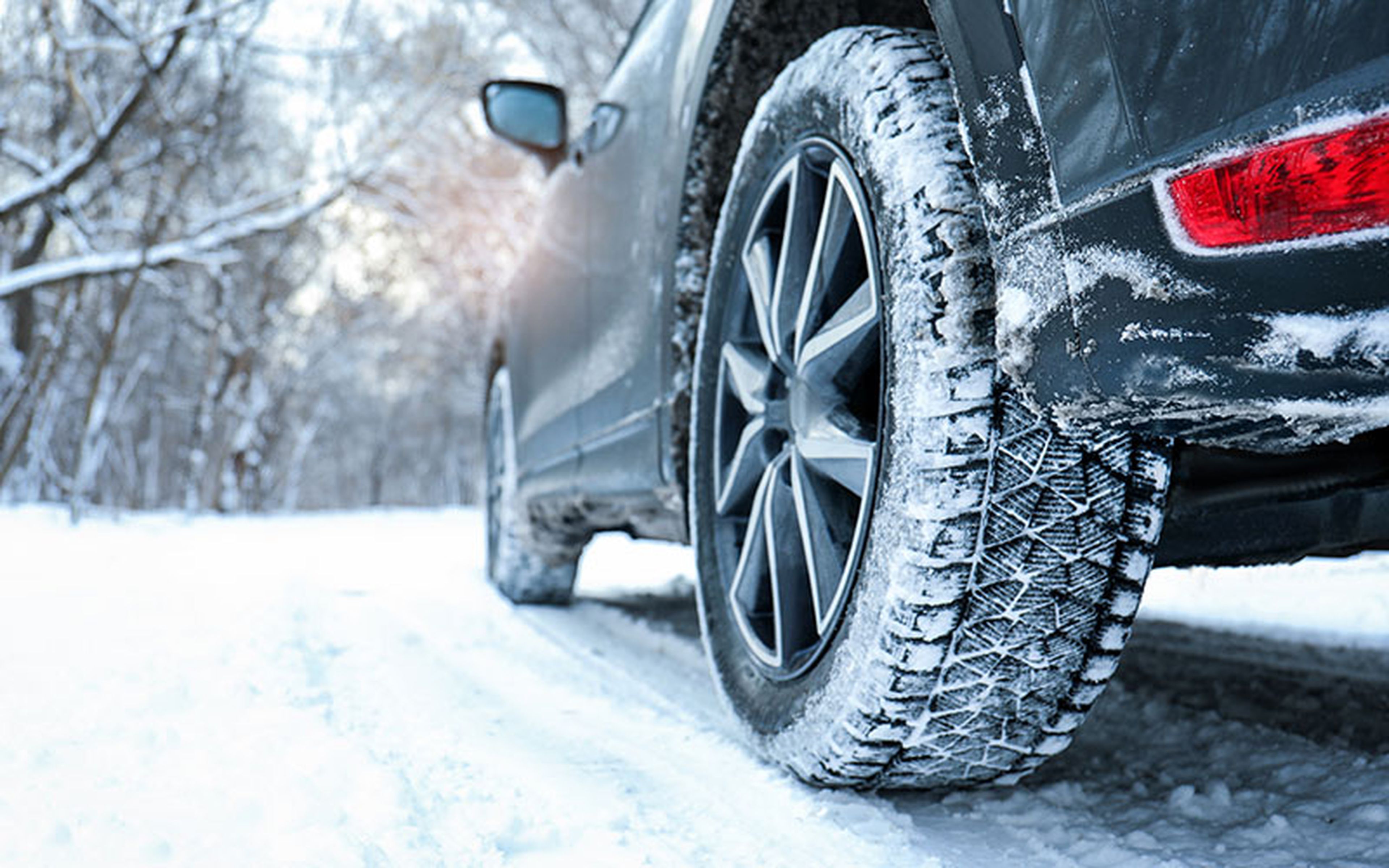
Even before cars such as the Ford Model F were rolling around, nobody liked driving in winter conditions. This explains why, in 1904, Harry Weed submitted a patent for non-skid devices that temporarily attached to tires, recognizable today as tire chains. This was followed by a host of other innovations, including specialized treads and unique rubber compositions, that help protect drivers, passengers and pedestrians. The culmination of this progress — at least thus far — is a recent "shape memory alloy" technology that essentially turns regular-use tires into snow tires at the touch of a button.
To understand the history of ice skating rinks, we must go back to around 1,000 BC, when ice skating is believed to have been invented in Scandinavia. Before the smooth surface itself, we focused our creative energy on improving skates, which began as carved bone and were improved with the use of wood, metal and leather. In 1850, American Edward Bushnell manufactured the first all-steel construction for both the blade and footplate — a timely invention, as British inventor Henry Kirk had introduced synthetic ice just nine years before.
Henry Kirk went on to open the Glaciarium in London, the world's first artificial skating rink as we know it today. While the novelty of all-season skating was undeniable, the synthetic ice left much to be desired. It used hog's lard "to render it more slippery," resulting in a less than agreeable odor — so other inventors around the world made improvements. The idea seemed particularly popular in Paris, where the opening of a rink in 1876 was "crammed to suffocation," according to a French journalist writing to The New York Times. Perhaps inspired by the fervor, inventor Sophie Bachmann even introduced a toy version of a skating rink made of magnets and paper.
Indoor skating was not as popular in the United States, where Americans insisted that outdoor experiences were more fulfilling. Fortunately for skating fans, that sentiment has shifted over the years, and now rinks can be found across the country from cool north to baking south. Patent law helped usher in this new era, protecting rink designs and their accompanying fleets of ice-resurfacing machines.

In adapting clever ways to stay at ease in the cold, we focused on our bodies and vehicles — but when did we make ourselves truly at home? In 1946, Frank Cotter and G. Howlett Davis introduced the world to the first insulated tumbler, a double-walled device that used air to keep cold drinks chilly and hot drinks warm. The pair went on to create a full line of similar containers under the brand name Tervis, generating a notable array of patents.
However, Tervis' solutions do not exclusively define the market. Other patents have approached the same problems from different angles, including corrugated external sleeves and vacuum assemblies. Perhaps the most recognizable name in this field is Thermos, which has a long list of patents for food containers, children's products and more.
This is a perfect example of how a single invention can branch off in so many different ways — not in spite of patent protection, but because of it. Tervis and Thermos products serve similar needs and markets, but because the underlying designs, technologies and offerings are unique, customers still buy both.
While snow tires may be a child of necessity, heated seats are more of a luxury — one that may drive up the price of your new car's add-on package. Nonetheless, this on-the-go warmth can be traced back to Robert Ballard, whose 1951 patent for an automobile seat heater promised that these surfaces could be heated before drivers and passengers even entered the vehicle. Later patents have covered improved durability, greater responsiveness and even occupant sensor technology.
None of these cold-weather innovations would be possible without determined minds. If you are an inventor in the global weave of winter ingenuity, you deserve the highest level of protection and service, beginning with the support of stalwart legal and consulting experts.
Contact us to learn more about the full spectrum of Dennemeyer's IP solutions.