G 1/25: When must the description be adapted to amended claims?


Dennemeyer Group
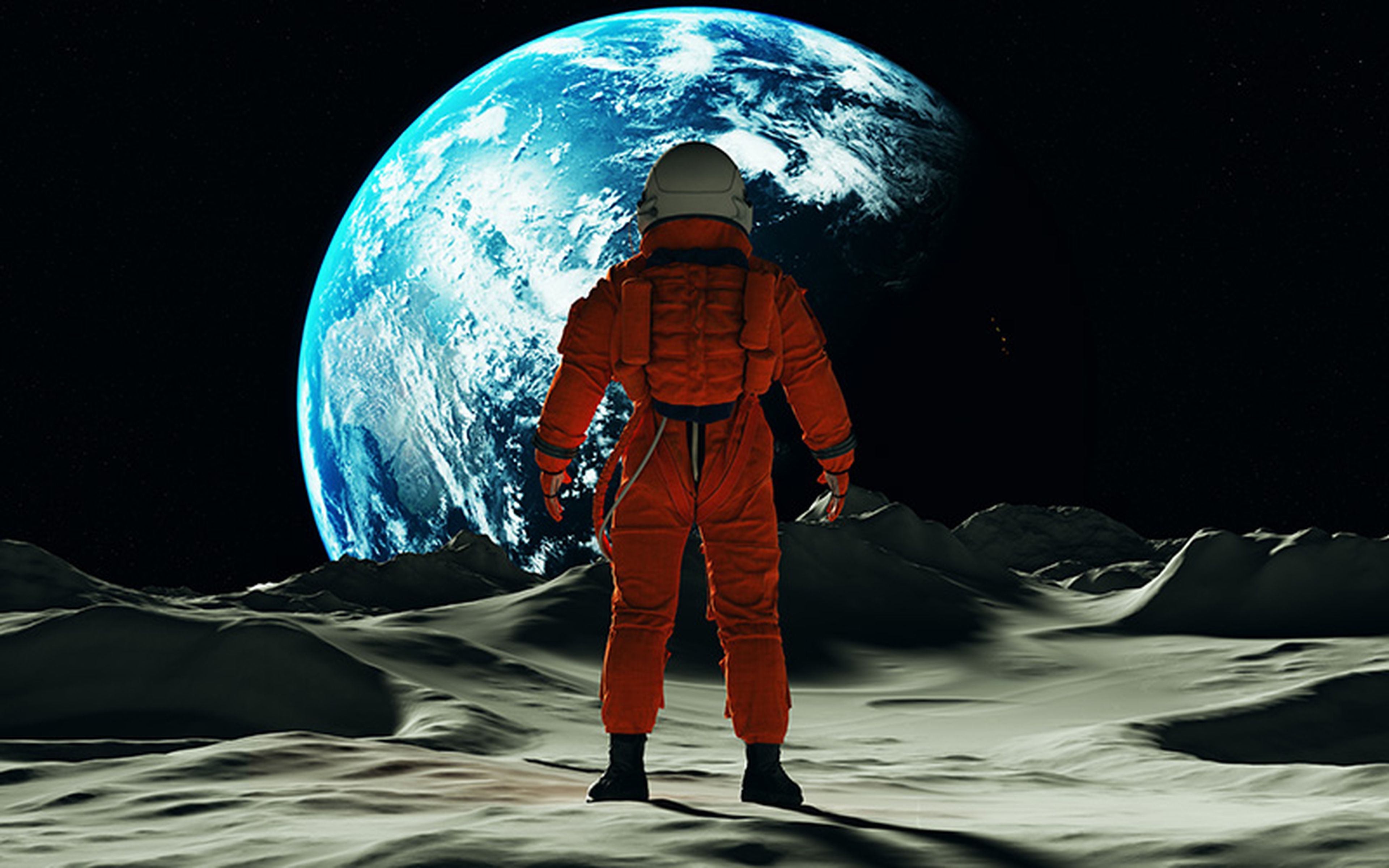
Since that fateful "small step for a man," many science fiction concepts have become realities, with a fast-growing space patent landscape setting the stage for space stations, interplanetary imagery, orbital tourism and more. This has enabled both innovation and conflict, raising questions about IP ownership beyond Earth.
In principle, the region above our atmosphere is not liable to national appropriation, meaning domestic laws cannot apply there. However, as on the high seas, the practicalities are much more complicated, and countries retain jurisdiction over objects that they launch into space, including manned modules and rockets. For example, if an invention is developed or used on board a U.S. space vehicle, it is subject to U.S. patent law.
Of course, while some look to the stars, others are more focused on mundane concerns such as getting to work on time. This has led to a merging of the real and aspirational worlds, producing innovations such as self-driving cars. Science fiction authors were dreaming about these inventions in the 1930s, with American writers Miles J. Breuer and David H. Keller exploring the concept in "Paradise and Iron" and "The Living Machine," respectively. During the same period, remote-controlled "phantom autos" roamed the streets, helping to keep the idea on the road as technology advanced.
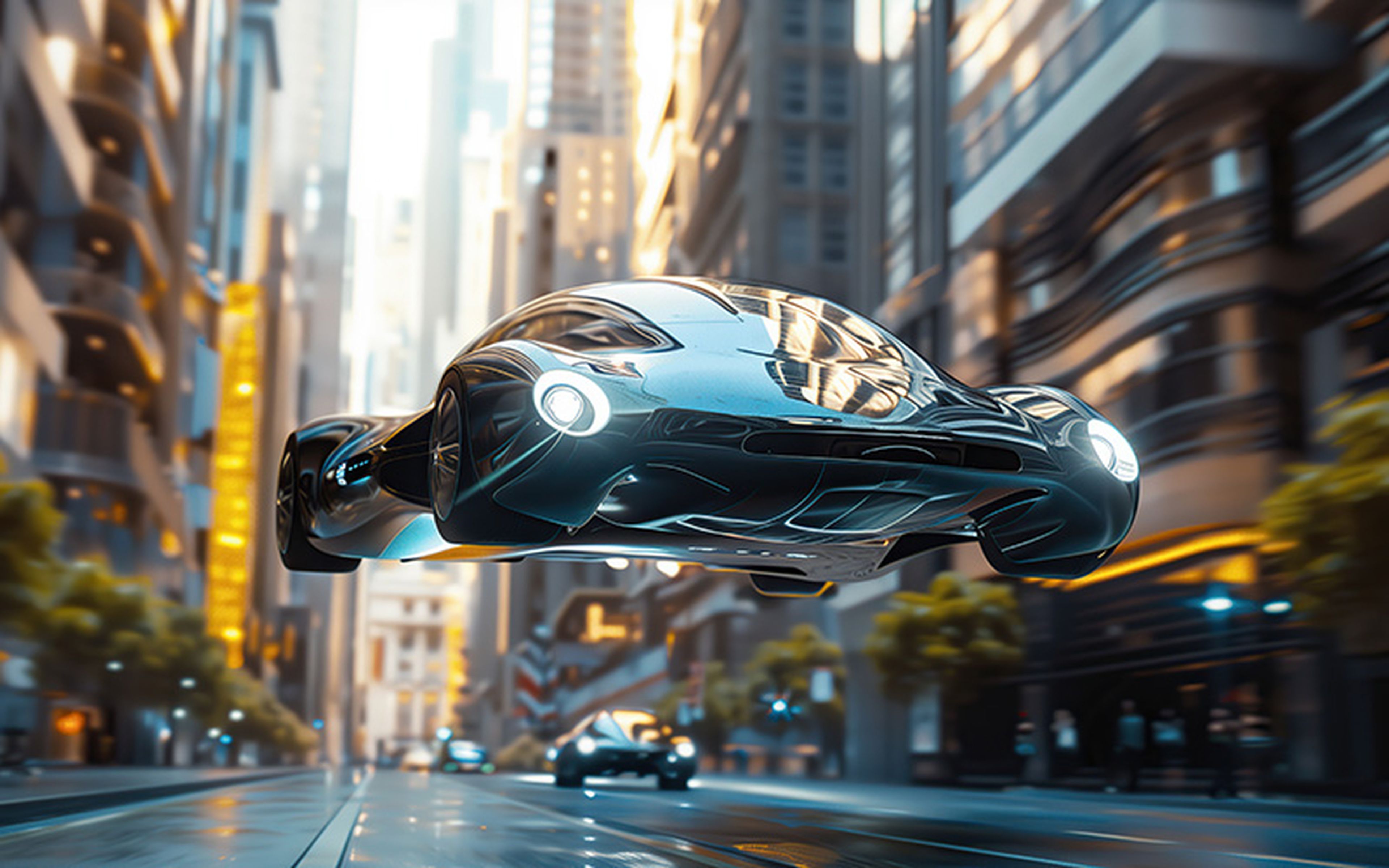
Recently, self-driving cars have become a hot and financially volatile topic, attracting fluctuating investment. Meanwhile, improvements in navigational systems have inspired creative patents like one potentially enabling cars to repossess themselves. Yet, for all of this development, these vehicles are still decidedly grounded. The flying car, as seen in the cartoon series "The Jetsons," remains just out of reach, though not for want of inventiveness. Thankfully, the same is not true for other innovations inspired by fiction, many of which have become crucial for human health.
Artificial body parts are a particularly common trope in sci-fi storytelling, outfitting many of the genre's most recognizable characters.
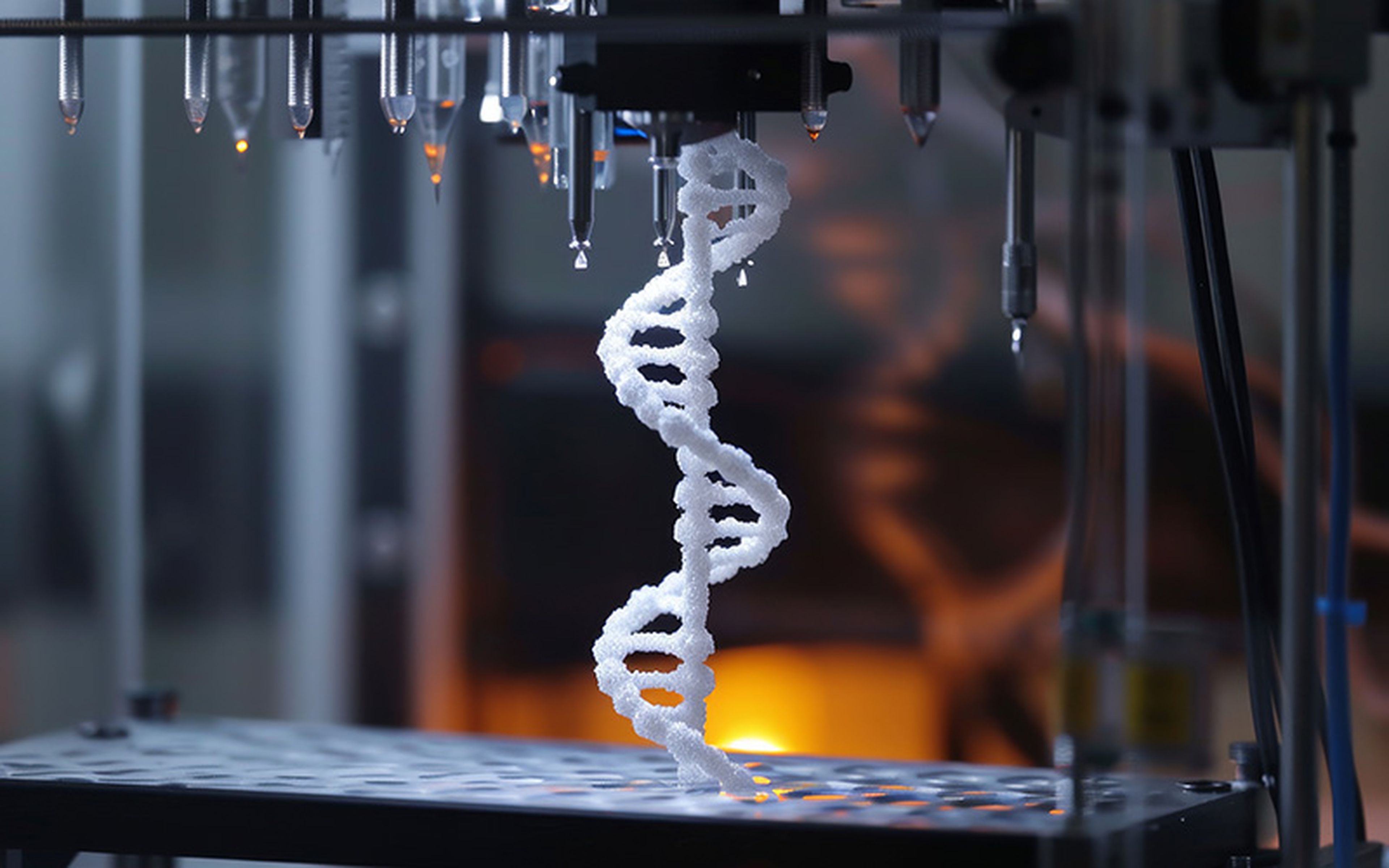
Take, for example, 3D-printed body parts. Bioprinting was perhaps inspired in part by British author William F. Temple's 1949 novel "Four-Sided Triangle," which explores the duplication of a human being on the atomic level. The modern concept of bioprinting developed from this notion of constructing organic matter from basic blocks. That being so, while there have been many patents for printing methods, systems and apparatuses, with some experiments even taking place on the International Space Station, the IP landscape is still grappling with the technology. Since many patent systems exclude laws of nature and natural phenomena from patentability, the legal protections for bioprinting research and products remain in question.
A similar story plays out in the field of cloning. The concept is far from alien, having been explored for decades in films such as "Jurassic Park" and the "Star Wars" franchise, but its narrative origins stretch back much further, at the very least to 1932 and Aldous Huxley's "Brave New World." More than six decades later, in 1996, the first mammal cloned from an adult cell was born after extensive research led by Professor Sir Ian Wilmut of the Roslin Institute, University of Edinburgh. Although the Institute successfully patented the technology that produced Dolly the sheep in the United States and the United Kingdom, the United States Patent and Trademark Office turned down a patent covering the animal herself.
While controversy surrounds many inventions first conceived in science fiction, others are an almost immediate hit, quickly becoming undisputed leaders of the technological landscape.
From tractor beams to robot butlers, sci-fi is known for its ingenious — and often enviable — tech gadgets. Fortunately, pioneering inventors have found ways to bring such tools to life:
Although science fiction does not always set out to prophesize the future, it often lays the groundwork for human progress — and every new story is an opportunity to turn a writer's dreams into an inventor's reality.
Are you trying to protect a fiction-inspired innovation? Contact the Dennemeyer team to see how our IP expertise can become your ticket to the future.