 Log in


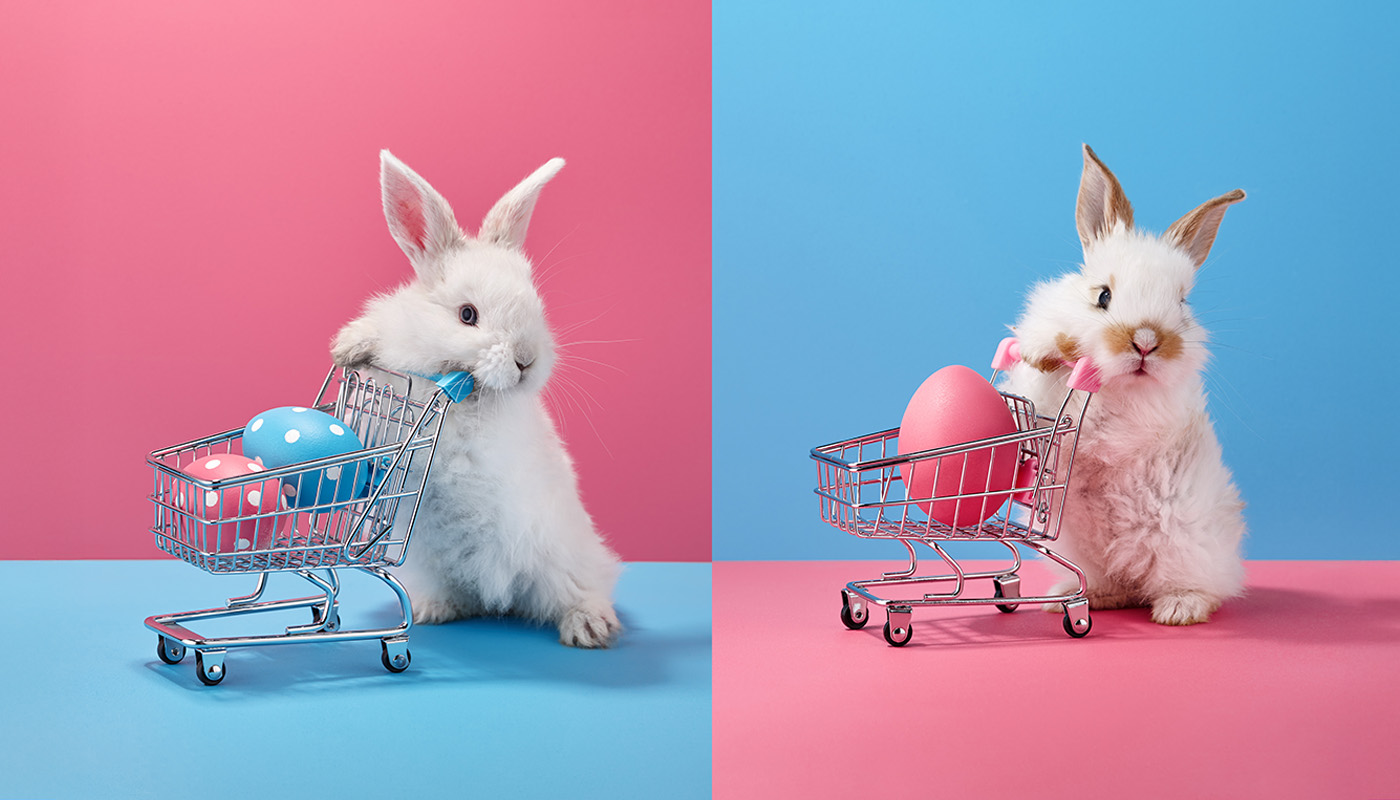
Everyday IP: Easter and the economics of commercial distinctiveness
As a religious and cultural tradition, the symbols of Easter exist independently of corporate control; these beliefs, motifs and customs are living heritage, and the imagery associated with the holiday is free for all to use. No organization holds a monopoly on the concept of a spring rebirth, and no conglomerate owns a patent on the eponymous bunny.
Yet, if you walk into a supermarket in the weeks leading up to the holiday, the imagery and characters merge with the highly organized world of branding. Here, the Easter Bunny is a high-stakes economic player. While the season is a shared canvas, the specific products we buy — oversized floppy ears, plastic egg-dispensing gadgets and marshmallow chicks — are wrapped up in Intellectual Property (IP) rights like foil around a sweet treat.
Easter is a perfect example of how businesses use legal tools to stand out. IP law does not cover the holiday; it protects the specific ways companies differentiate their products within a common space. It ensures that in a sea of chocolate goodies, you know exactly whose wares and hares you are tucking into.
From folk symbol to distinctive product
The challenge for any business during an annual peak is the "public domain" issue. Symbols such as rabbits and eggs are part of an allegorical language accessible to everyone. From an IP standpoint, no one can own the idea of an Easter Bunny any more than they can patent the concept of blowing out candles on a birthday cake. However, a clear legal boundary exists: While the idea is open to all, companies can protect their unique expression of it.
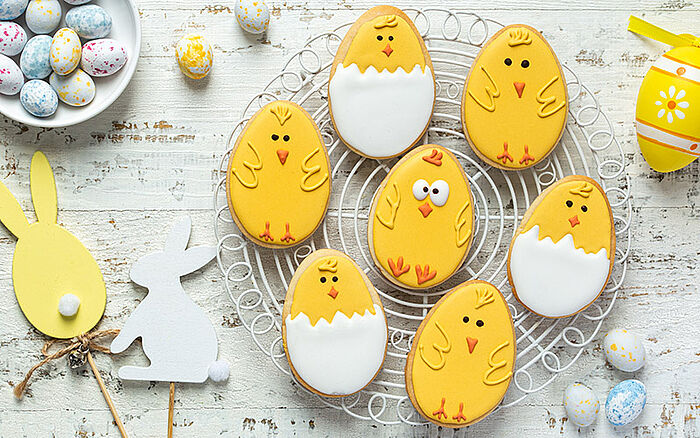
Although the interaction between commerce and culture often stirs up strong feelings, their relationship does not have to be antagonistic. A respectful approach allows people to express and enjoy their heritage in both traditional and creative ways.
Take the evolution of the Easter Bunny. While connections of rabbits and hares with springtime and fecundity are ancient, later Christian imagery associated the animals with the chasteness of the Virgin Mary, helping to rehabilitate the small creatures into a festival celebrating the resurrection of Christ. By the 17th century, stories of a fanciful Easter Hare hiding eggs to delight children were being recorded in Germany. These games and tales spread with settlers to the United States before eventually finding their way back to Europe. Today, hunting for eggs and painting their shells are sources of fun the world over, but the way we interact with the Easter Bunny in stores is often the product of more modern concepts.
As early as the 1910s, inventors were turning holiday symbols into mechanical marvels, such as an Easter Rabbit that dispenses eggs from its mouth when you press its tail, or an egg-laying Easter Hare patented in 1927. By securing patents, these and many other ingenious engineers gained exclusive rights to the mechanisms they created, turning a folklore figure into unique market offerings.
This drive for individuality extends beyond how a product works to how it looks. Companies sometimes register the three-dimensional shape of their chocolate as a protectable product design or trademark. By moving from a generic bar to a specific, sculpted silhouette, a business creates a "commercial signature." This serves a vital economic function: distinctiveness enables premium pricing and instant consumer recognition. It transforms an everyday commodity — chocolate — into a branded experience that buyers actively seek out.
Color, shape and reputation: the gold standard
No Easter regular embodies the power of attracting attention better than the Lindt GOLD BUNNY. To most people, it is a chocolate rabbit in gold foil. To a trademark attorney, it is a masterpiece of IP cultivation.

IP is usually generated before a brand, but sometimes, the process works in reverse. With strong, consistent marketing efforts, an otherwise "ordinary" product shape or name can take on special significance for the public.
The Lindt bunny is a classic example of acquired distinctiveness. In seasonal markets, where certain products are on shelves for only a few weeks, consumers need to spot and differentiate their favorite indulgences at a glance. Lindt has not only protected the name of one of its most famous confectioneries; it has also worked for decades to exclusivize the product's appearance. This includes the specific shade of gold used on the foil wrapper, which German courts recognized as enjoying trademark protection because shoppers associate that color with Lindt.
But there is more than one layer to this IP coverage. The three-dimensional sitting rabbit pose has taken on a legal life of its own. In a major 2022 ruling, the Swiss Federal Supreme Court determined that the chocolate bunny shape, though ordinary in and of itself, possessed acquired distinctiveness. This means, as a summary by the World Intellectual Property Organization puts it, "Lindt's marks may not be distinctive by virtue of their originality, but they are distinctive by virtue of becoming well-known through their intensive use."
The result of this strong market recognition is that the Easter treat's form is also a trademark, and thus can block confusingly similar competitors. The Swiss court famously ordered Lidl to stop selling its lookalike bunnies and even directed that its remaining stock be melted down. When you see that red ribbon and the little bell, you are not just looking at decorations; you are seeing source identifiers.

Copyrights also have their place in the Easter basket IP. These exclusive rights protect against the authorized reproduction or use of original artistic works of all shapes, sizes, colors and materials.
Rival confectioners are free to sell chocolate rabbits and hares, but they cannot copy the particular features that make a Lindt bunny unique. Even with something intended to be gobbled up at the earliest opportunity, IP rights work hard to preserve the trust a business has built with its customers.
Folklore to fortune: the value of intellectual assets
The legal principle is clear: IP does not grant ownership of traditional celebrations; it grants limited, specific rights in commercial signs. This ensures that the symbols of Easter belong to the public, whereas inventions, goods, services and hard-earned reputation belong to the innovators.
Seasonal markets are high-pressure environments where the small window of opportunity means companies cannot leave their success to chance. These businesses rely on their intellectual assets — the patents that grant their candy-dispensing toys space to thrive and the trademarks that make their golden hues stand out — to transform cultural symbols into competitive advantages.
Easter is a time of new beginnings, of renewal and change. In the IP world, all of these things are vital for innovation, but it is equally important to preserve the existing patents, trademarks and designs that support inventors and market pioneers in their efforts.
So the next time you are hopping to the store for a sweet delight or unwrapping your favorite chocolatey shell, remember that you are taking part in your own tale of commercial creativity and living customs. A tale that does not have to be fluffy or shiny to involve IP rights – just ask the egg-perts at Dennemeyer!
Filed in

Discover how trademarks, patents and trade secrets shape your morning coffee or tea ritual. Experience everyday Intellectual Property in action.
Everyday IP: Coffee (and tea) to ease the daily grind
Discover how trademarks, patents and trade secrets shape your morning coffee or tea ritual. Experience everyday Intellectual Property in action.

Everyday IP: Back to school with textbooks, mascots and exclusive rights
Discover how intellectual assets shape school life, from student creations to mascots and educational resources.
Ice cream innovations: IP with a cherry on top
From soft serve machines to crispy cones, discover how patents and trademarks shape the frozen treats we love.

Everyday IP: Turning up the heat with summer barbecues
From briquettes and gas to infrared and smart technology, discover how Intellectual Property has fueled innovation at your seasonal cookout.

Get the updates in your inbox
Subscribe to get the latest news and updates.
No spam. We promise.
